Itasha Wrap Kit Coverage: What to Confirm Before Ordering
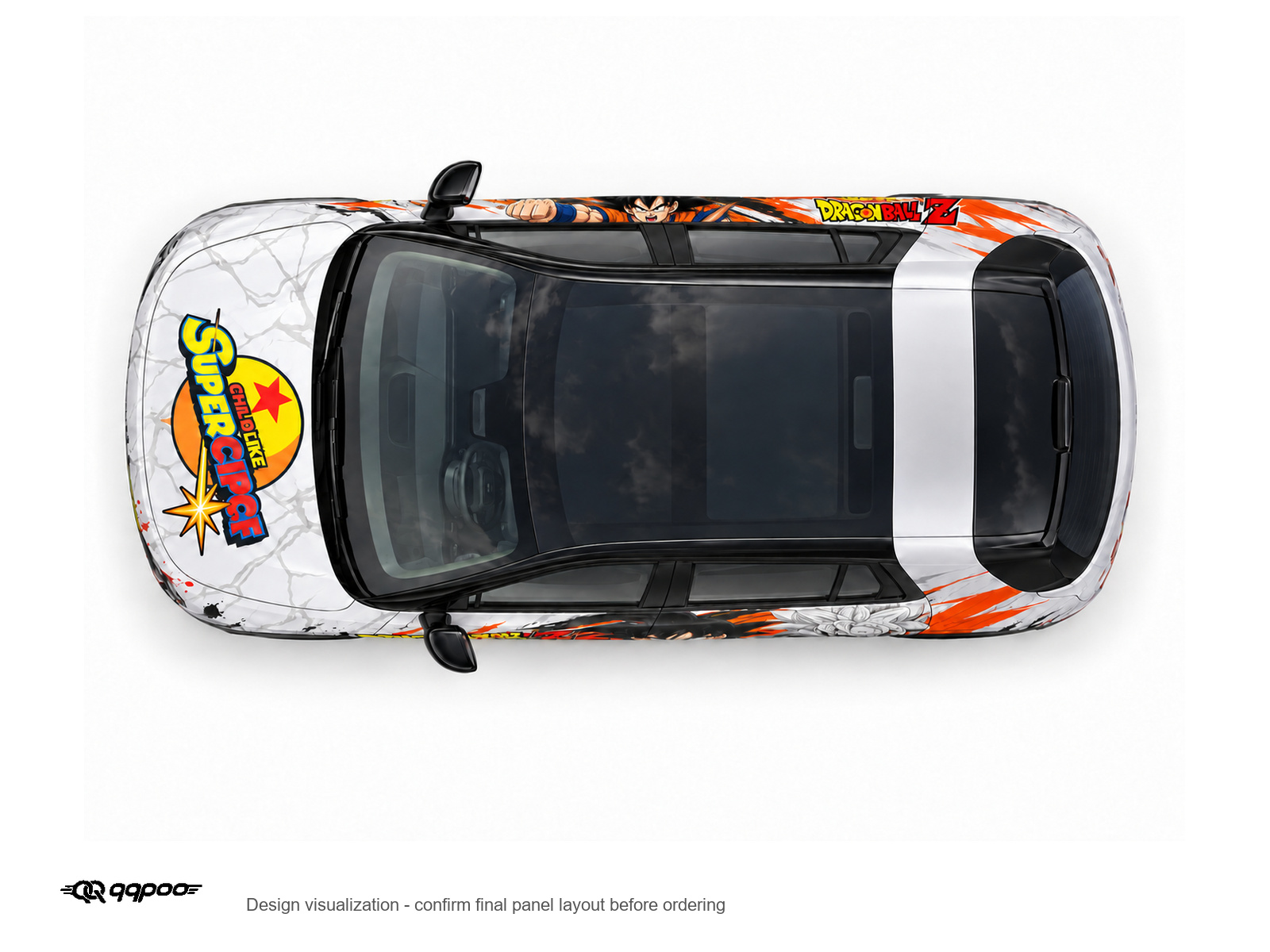
Before ordering an itasha wrap kit, confirm the exact vehicle, the panels to be covered and the printed pieces included in the quote. A gallery image shows a design direction; use an agreed vehicle layout and written order details to establish what will arrive.
Start with your exact vehicle
Send the make, model and production year in the order notes or contact the team before ordering. Include the body style and photographs of both sides, the front and the rear. If the car has an aftermarket body kit, different bumpers, a spoiler or other changes, identify them clearly. Those details help the team assess the layout instead of assuming every version of a model has the same panel shapes.
A design shown on one car is not a fit confirmation for another. Before production, ask how the composition will be positioned on your vehicle and which details might move around door gaps, handles, wheel arches and fuel flaps.
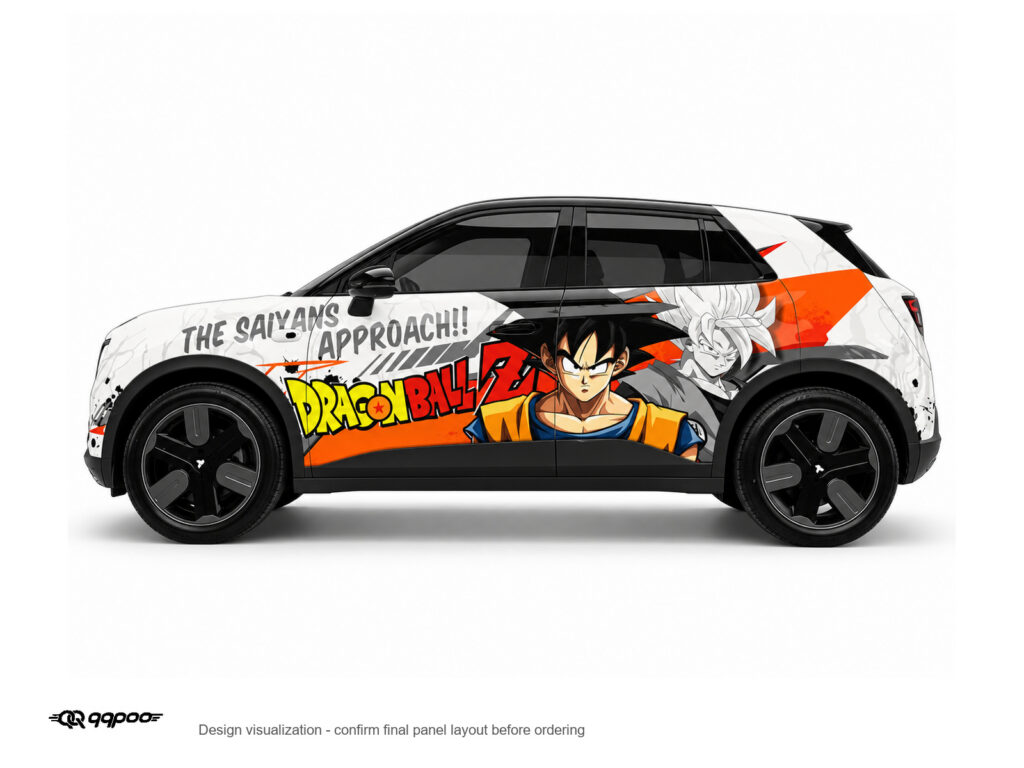
Changed bumpers, widebody fenders or a planned body kit? Use the modified-bodywork checklist to connect each part and current photo with the layout version before approval.
Ask for a panel-by-panel coverage list
Use this checklist when discussing the kit. Treat each item as a question to confirm, rather than an automatic inclusion:
- Left and right sides: doors, front fenders and rear quarters.
- Hood and roof: full coverage, selected graphics or no coverage.
- Front and rear bumpers: included artwork and separate pieces.
- Trunk or hatch: coverage and placement around badges and handles.
- Mirrors, spoilers and small trim pieces: included or quoted separately.
- Windows, lights and number plates: identify exclusions and keep required visibility clear with your installer.
Ask whether the material arrives as panel-sized prints or another agreed format, what finishing work is expected, and whether there is any planned allowance for alignment and trimming. The listing name “full-car wrap” does not replace a written panel list for your order.
Separate the artwork from the kit contents
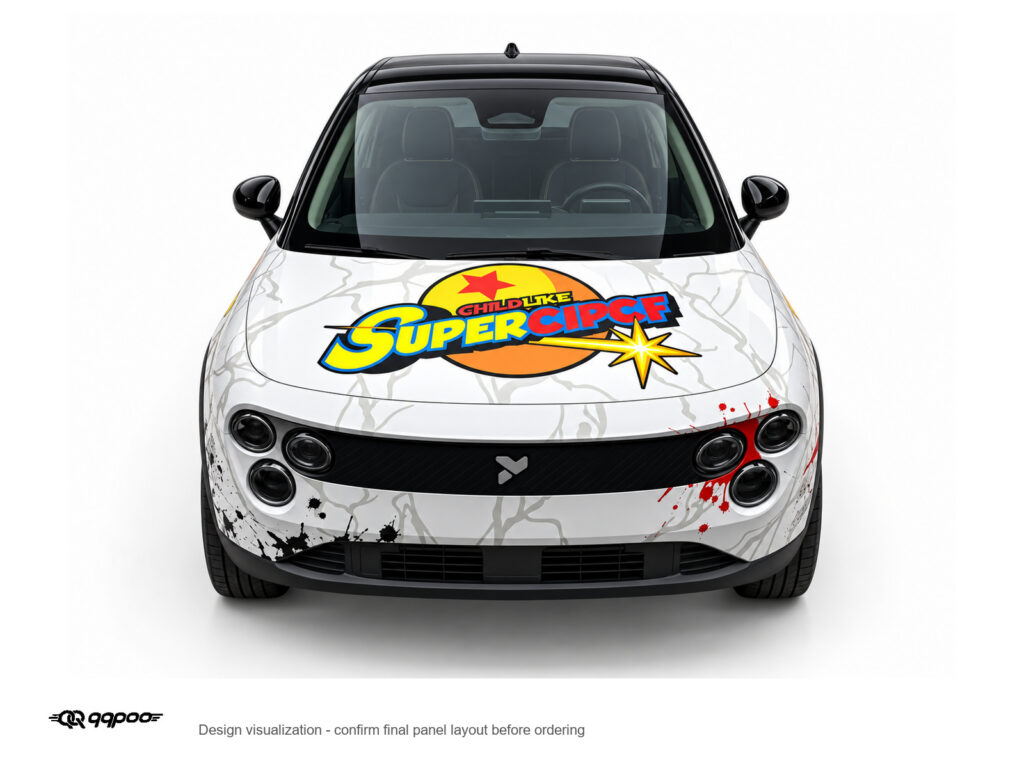
A rendered vehicle or product photograph can show wheels, bodywork and accessories that are not part of a printed wrap kit. Confirm the printed material, number of pieces and finish. Ask separately about application tools, installation and any additional materials your installer expects to supply. QQPOO’s service does not include local installation.
For a custom project, the currently offered material is PVC film with PET backing and a gloss finish. Confirm the actual specification for your order; do not infer the material of every stock listing from the custom-service specification.
Stock theme or a new design?
A stock wrap starts with an existing design. Color adjustments can be discussed, while a different character or theme belongs in the custom design process. Send the product code when asking about an adjustment so the team knows exactly which artwork you mean.
Review where the character’s face, lettering and other important details sit before approving the proof. The itasha printing checklist explains artwork quality and proof checks in more detail.
Your final confirmation
Keep one record of the vehicle details, approved layout, panel list, material and finish, current price, shipping destination and installation responsibility. Share it with your installer before production. Use the cost guide to separate budget components and the installation and care guide to plan the next stage.